
The next many decades belong to India as the global economic powerhouse, and it will be essential to continue demonstrating policy stability, as the country aspires to be the world's manufacturing hub, Maruti Suzuki India MD and CEO Hisashi Takeuchi said on Friday.

From the Sensex pack, Eternal, Bharat Electronics Ltd, Trent, Axis Bank, State Bank of India, Bajaj Finance, Sun Pharmaceuticals, Asian Paints, Adani Ports, Hindustan Unilever, Reliance Industries, ITC, PowerGrid, Tata Motors Ltd's Commercial Vehicles business, and Bajaj Finserv were the gainers. Infosys, Tata Motors Passenger Vehicles, Tata Steel, ICICI Bank, Tech Mahindra, Titan, UltraTech Cement, Maruti Suzuki India, and Larsen & Toubro were the laggards.

Maruti Suzuki, India's largest producer of small cars, stands to benefit the most.

Indian equities on Dalal Street saw volatility. Track Sensex, Nifty50 movement and key market drivers for Feb 25, 2026.

Network scale seen as central to tapping smaller markets.

From the Sensex pack, Eternal, Maruti Suzuki India, Kotak Mahindra Bank, Mahindra & Mahindra, Tech Mahindra, Titan, HDFC Bank, PowerGrid, Bajaj Finserv, HCL Technologies, Bajaj Finance and Larsen & Toubro were among the gainers. On the other hand, Tata Motors Passenger Vehicles, Asian Paints, UltraTech Cement, Bharat Electronics Ltd, Tata Steel, Adani Ports, Hindustan Unilever, ITC, Tata Consultancy Services and Reliance Industries were the only laggards.

Maruti Suzuki India on Wednesday said it plans to invest over Rs 925 crore to expand its captive solar capacity to 319 MWp by FY2030-31. The car market leader announced the expansion of its solar capacity by 30MWp with two new projects.

Maruti Suzuki India on Wednesday reported a 47 per cent jump in its net profit to Rs 3,650 crore for the April-June quarter on account of cost reduction efforts, favourable commodity prices and foreign exchange gains. The auto major had posted a net profit of Rs 2,485 crore in the April-June quarter of last fiscal.

Among the Sensex constituents, Asian Paints, Tech Mahindra, HCL Technologies, Tata Steel, Maruti Suzuki India, Sun Pharmaceuticals, Tata Consultancy Services, ICICI Bank, Bajaj Finance, UltraTech Cement, Mahindra & Mahindra and Tata Motors Passenger Vehicles were the laggards. However, Eternal, Titan, Adani Ports, Bharat Electronics Ltd, State Bank of India, Bajaj Finserv, NTPC and Bharti Airtel were among the gainers.
From the Sensex pack, Asian Paints, ICICI Bank, PowerGrid, Larsen & Toubro, Bajaj Finserv, Bharti Airtel, Sun Pharmaceuticals, Maruti Suzuki India, Axis Bank, UltraTech Cement and HCL Technologies were the only gainers. On the other hand, Eternal, Tata Motors' commercial vehicles arm, Mahindra & Mahindra, Tata Steel, Bharat Electronics Ltd, Tata Motors Passenger Vehicles, Trent, Tata Consultancy Services, Hindustan Unilever, and Infosys were among the laggards.

In absolute terms, both types of cars must cut emissions by about 28-29 g/km. But in percentage terms, the lighter 900-kg car must reduce emissions by 27 per cent, while the 1,500-kg car needs a 22 per cent cut. And the target becomes progressively stringent for both -- but, once again, the tightening is sharper for the 900-kg car than for the 1500-kg car.

Among the Sensex firms, State Bank of India, Maruti Suzuki India, Axis Bank, NTPC, BEL, Adani Ports, Eternal, Sun Pharmaceuticals, Power Grid, ITC, UltraTech Cement, Trent, HCL Technologies, Mahindra & Mahindra, and HDFC Bank were the major gainers. On the other hand, Tata Steel, Tata Consultancy Services, Tech Mahindra, Titan, Bajaj Finserv, Tata Motors, Bharti Airtel and Bajaj Finance were among the laggards.
'In the January-August period, the share of hatchback in the overall PV industry sales was about 22.4 per cent. In the September-October period, the share of hatchbacks has come down to 20.4 per cent. In just October, their share was just 20 per cent. This is simple wholesale data from industry body SIAM.'

Since the Indian government reduced GST on small cars on September 22, the small car segment's share in Maruti's overall sales has risen to more than 25 per cent, up from 16.6 per cent earlier in FY26.

Stock market is gearing up for an eventful week ahead where key triggers such as quarterly earnings from corporates, the US Fed interest rate decision and the upcoming Union Budget for 2026-27 would grab the limelight, analysts said.

Toyota's first standalone electric SUV, the Urban Cruiser Ebella, delivers strong range and performance with premium quality, but rear space and features could have been better, says Somnath Chatterjee.

Automobile exports from India rose 26 per cent year-on-year in September quarter driven by highest-ever shipments of passenger vehicles, two-wheelers and three-wheelers during the period, as per the latest data released by industry body SIAM.

Maruti Suzuki India on Friday said it is recalling 7,213 units of its Baleno RS model due to a suspected defect in vacuum pump, which assists brake function. The recall will impact vehicles manufactured between October 27, 2016 and November 1, 2019, Maruti Suzuki India said in a regulatory filing. "It is suspected that there is a possible defect in vacuum pump, which assists the brake function.

After a record-breaking year, India's automobile industry is entering 2026 on a relatively strong footing, with sales growth expected in the 6-8 per cent range. The outlook is underpinned by policy support, including GST rationalisation, easing monetary conditions, and income tax relief, which together are likely to improve affordability and sustain consumer demand across vehicle segments.

The January-March quarter (Q4) results for 2024-25 (FY25) from the country's largest passenger vehicle (PV) maker, Maruti Suzuki India (MSIL), were a mixed bag, with revenues broadly in line but operating profit missing Street expectations. Given cost pressures, margins at the operating level were the lowest in the past seven quarters.

The growing rift between MSIL and rival automakers has complicated the government's efforts to finalise the CAFE norms.

Auto majors Maruti Suzuki, Tata Motors and Mahindra & Mahindra reported robust sales in September as reduced price tags owing to GST rationalisation led to record demand in the Navaratri period. The month also saw Tata Motors and Mahindra & Mahindra settling at number two and three positions, respectively in vehicle wholesales ahead of Hyundai Motor India.
Festivals also contribute to the rise in overall automobile retail sales, says dealers association.

The country's largest carmaker Maruti Suzuki India expects auto sales to bounce back to the glory days of 7 per cent growth by FY 27, helped by the proposed GST rate cut which is expected to bring down car prices by 3.5 to 8.5 per cent.

Japan is expected to increase its investment target in India from the earlier 5 trillion yen ($34 billion) to almost 10 trillion yen.

Passenger vehicle sales in India kicked off on a flat note in new fiscal 2024-25 with 3.38 lakh units sold in April, impacted by high base effect and muted demand due to the ongoing general elections. Dispatches of passenger vehicles from manufacturers to dealers were at 338,341 units in April 2024 as compared to 332,468 units in the same month last year, a growth of 1.77 per cent with major players Maruti Suzuki India, Hyundai and Tata Motors reporting marginal growth in their domestic wholesales.

'We are seeing a lot of people with helmets visiting our showrooms.'

Maruti Suzuki India's production in December 2022 was lower by 17.96 per cent at 124,722 units, according to a regulatory filing by the company. The company had a total production of 152,029 units in the same month a year ago. Production in mini cars and compact segment, comprising models such as Alto, S-Presso, Baleno, Celerio, Dzire, Ignis, Swift and WagonR, was lower at 83,753 units last month as compared to 106,090 units in December 2021.
Amid challenging market environment, Maruti Suzuki India and Mahindra & Mahindra reported an increase in vehicle dispatches to dealers last month while Tata Motors and Hyundai saw a year-on-year drop in sales.
Leading carmakers Maruti Suzuki and Hyundai on Thursday reported a dip in wholesales in July as companies reduced vehicle dispatches to dealers amid moderation in demand. Maruti Suzuki India said its total domestic passenger vehicle sales stood at 137,463 units in July against 152,126 units in the year-ago month, down 9.64 per cent.

Among major Sensex gainers Bajaj Finserv rose the most by 1.42 per cent, Axis Bank gained 0.80 per cent, Infosys by 0.72 per cent, Mahindra & Mahindra by 0.60 per cent, Tata Motors by 0.55 per cent, Bajaj Finance by 0.53 per cent and Tata Steel by 0.52 per cent. Kotak Mahindra Bank, ICICI Bank, HCL Technologies, Bharti Airtel, Maruti Suzuki India, Trent Ltd and Tata Consultancy Services were the losers.

In October, small car wholesales of the auto industry -- excluding Tata Motors -- went up by 8.4 per cent Y-o-Y to 116,601 units, the data showed. However, the utility vehicle (UV) segment which includes sports utility vehicles (SUVs) as well as multi-purpose vehicles (MPVs), saw a bigger growth in October.

Between April and August this financial year, passenger car exports rose 8.5 per cent year-on-year (Y-o-Y), while domestic sales fell by 8.5 per cent.

Indian automakers are reviving legacy nameplates to leverage brand recall and stand out in a crowded market, as classic badges like Sierra, Safari, Baleno and Scorpio return to attract buyers.

The country's largest car maker Maruti Suzuki India on Friday reported a 47.8 per cent rise in net profit for the March quarter of FY24 to Rs 3,877.8 crore, on account of higher sales volume and favourable commodity prices.

Maruti Suzuki India's net profit surged 80.3 per cent to Rs 3,716.5 crore in the September quarter, driven by better sales, softening commodity prices, cost reduction efforts and higher non-operating income. The company had delivered a net profit of Rs 2,061.5 crore in the year-ago period, Maruti Suzuki India said in a statement on Friday. Maruti said it is expecting the affordability of small cars in the domestic market to come back in the next 2-3 years in the face of rising income levels of people and a growing economy, among others.

Maruti Suzuki India on Tuesday said it has commenced export of its sports utility vehicle Fronx to Japan. The first consignment of over 1,600 vehicles left for Japan from Gujarat's Pipavav port, the country's largest carmaker said in a statement. Fronx will be the first SUV from Maruti Suzuki stable to be launched in Japan, it added.

Tata Motors is the leader in the electric car market with about 62 per cent share.
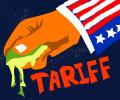
India needs to come together to deal with the 50 per cent punitive US tariffs on Indian products and stand up to any kind of bullying, Maruti Suzuki India chairman R C Bhargava said on Thursday. "It is our duty as Indians to do our very best to promote and maintain our dignity and respect and not give in to any kind of bullying in this matter... the nation has to stand united," Bhargava said at the company's 44th Annaul General Meeting in New Delhi.

Starting January, the market is expected to welcome models like the Tata Punch 2025 which is expected to be around 6 lakh, Mahindra BE 07 EV around 29 lakh, Maruti WagonR Electric around 8.5 lakh, Toyota 3-Row SUV around 14 lakh, and Volkswagen Tera to be around 8 lakh.
